
Voted Best Home Cleaning in Richmond, Virginia | 26 Years of Five-Star Excellence!
Follow Us Here



Clients Feedback
What Our Clients Say
Read genuine reviews from our customers across Virginia. We take pride in delivering a five-star clean every time.

How to Build a Cleaning Routine You’ll Actually Stick To
A cleaning schedule template only works when it fits your real week. Many people build a plan around their best intentions, then drop it as soon as work runs late, kids need help, or the weekend fills up. The template is not always the problem. The routine often expects every week to look the same.
A better cleaning routine starts with real habits, not a perfect checklist. It should account for low-energy days, busy mornings, shared spaces, and the tasks you tend to avoid. When the schedule feels realistic, it becomes easier to follow.
The goal is not to clean every room on a strict timeline. The goal is to create a repeatable rhythm that keeps the home manageable without making cleaning feel like another full-time job.
Start With the Time You Actually Have
A cleaning routine usually fails when it starts with a perfect version of the week. Two free hours on Saturday may sound reasonable until errands, work, kids, guests, or rest take over that space. Once the plan feels too big, it becomes easy to skip it completely.
A better routine starts with the time you already know you can protect:
10 minutes after dinner can handle dishes, counters, or a quick kitchen reset.
15 minutes before bed can help with clutter, laundry piles, or the entryway.
One short weekend block can cover bathrooms, floors, or dust.
One catch-up slot can keep a missed task from ruining the whole plan.
A realistic cleaning plan can also help keep small tasks from turning into a full-house reset.

Build Your Cleaning Schedule Template Around Energy, Not Just Tasks
Time matters, but energy matters too. A task that feels easy on Monday morning may feel impossible after a long workday. A good cleaning plan should account for that.
Put heavier tasks where your week has more breathing room. Floors, bathrooms, and deeper kitchen cleanup may fit better on higher-energy days. Lighter tasks, such as counter resets or entryway pickup, can land on busier days without making the routine feel too heavy.
This approach helps you avoid the all-or-nothing trap. A low-energy day does not have to ruin the plan. It can become a light reset day instead. For homes that need more flexibility, flexible scheduling can support a plan that fits real household rhythms.
Separate Daily Resets From Weekly Cleaning
A cleaning routine feels harder when every task lands in the same bucket. Dishes, counters, and clutter do not need the same plan as bathroom scrubbing, floor care, or dust. When the schedule treats them all the same, the list feels bigger than it needs to be.
Daily resets should stay short. They help keep the home usable between fuller cleanings. A few minutes for dishes, counters, laundry piles, or entryway clutter can stop small messes from taking over the day.
Weekly tasks need a clearer place. Bathrooms, floors, mirrors, bedding, and deeper kitchen work usually need more time than a quick reset allows. For more on why steady habits matter, this guide to a truly clean home explains how consistency helps keep spaces easier to manage.
Put the Most Avoided Tasks on Autopilot
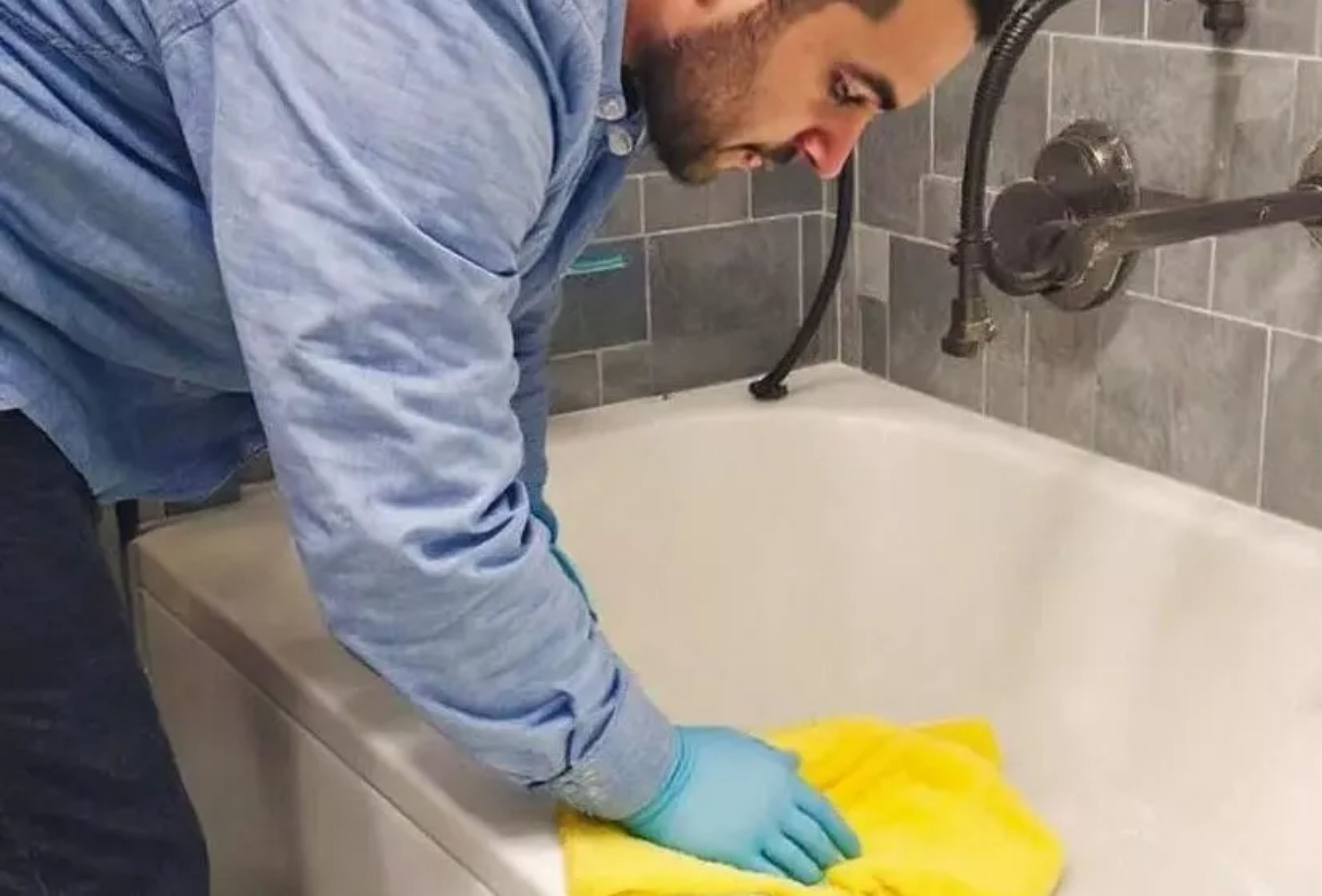
Every home has chores people keep putting off. It may be bathroom floors, dust, shower glass, baseboards, bedding or the kitchen after a busy week. These tasks usually do not get skipped because people do not care. They get skipped because no one wants to decide when to do them.
A cleaning schedule template works better when those tasks have a set place. Bathrooms can land on Tuesday. Floors can fit before the weekend. Bedding can stay on Sunday morning. Once the decision disappears, the task feels easier to start.
Autopilot does not mean the routine has to be rigid. It only means the same chores stop floating around the week. When the home needs more structure, home cleaning support can help create a steadier plan for the tasks that are easiest to delay.
Leave a Catch-Up Slot So One Missed Day Does Not Break the Routine
A cleaning schedule template should expect real life to interrupt the plan. Work runs late, kids need help, errands take longer, or a quiet night becomes the only time to rest. If the routine has no room for that, one missed day can make the whole schedule feel like a failure.
A catch-up slot gives the week breathing room. It can be a 20-minute Friday reset, a short Sunday pickup or one open space where unfinished tasks can land. The point is not to add more work. It is to stop one missed task from turning into a full restart.
That small buffer makes the routine easier to keep because it removes the pressure to do everything perfectly. For new clients who want more structure, the new client cleaning process shows how a plan can move from first contact to a finished reset.
Make Your Cleaning Schedule Template Easier to Keep
The best routine is not the strictest one. It is the one you can return to after a busy week. A useful cleaning schedule template gives daily resets, weekly tasks and catch-up time a clear place without turning the home into one long chore list.
Start small, then adjust. Move the kitchen higher if it needs more attention. Give floors a better time if they always get skipped. When the house needs more help than the week allows, the routine can include outside support without making the plan feel like a failure.
A cleaning schedule should make the home feel easier to manage, not harder to live in. For households that want reliable help with that rhythm, recurring cleaning services can add steady support without making the whole plan depend on one person’s free time. Choosing the right maid service can also make the routine feel more dependable from week to week. When you are ready for a routine that fits real life, request a quote from Five Star Maids and build a plan that works for your home.

Our Reputation Speaks For Us
Get a Cleaning Estimate
We are specialists in unique details! Continuous service

Serving Virginia with Exceptional Cleaning Services since 2001. A+ Rated by the BBB and Locally Owned.
Follow Us Here:
Accreditation